Hey everyone, if you’re reading this, chances are you’re either already using a drum cutter, thinking about adding one to your job site, or just curious about how to keep things safe when working with these bad boys. Full disclosure: I’m on the drum cutter supply team, so I’ve spent years talking to operators, job foremen, and folks who’ve been there when things went sideways. Accidents with drum cutters aren’t just rare—they’re preventable, and today I’m breaking down exactly how to do it, no stuffy jargon, just real talk from someone who’s seen it all. Drum Cutter

First off, let’s get one thing straight: drum cutters are powerful pieces of kit. They’re designed to tear through concrete, rock, asphalt, even frozen ground, and that strength is what makes them game-changing for mining, construction, demolition, and trench work. But power = responsibility, full stop. I’ve seen guys skip a basic check and end up with a damaged machine that took them off a job for three days, or worse, get nicked by a flying piece of debris. This isn’t about scaring you—it’s about making sure you go home to your people every night.
Let’s start with the pre-use checks, because this is where 80% of accidents get avoided, easy. I know, I know, you’re crunched for time, you’ve got a deadline, just “one quick run before the morning crew shows up.” But 5 minutes of checks beats 5 weeks of fixes. Here’s what you actually need to do, no fancy checklist that’s a mile long. First, walk the whole job area. I don’t care if you “know” this space—go look. Are there underground utilities? Gas lines? Power cables? A lot of guys use a tape measure and a utility locator, but don’t rely on that alone. I’ve seen locators misread a thin gas line under a patch of wet grass, and that’s a recipe for disaster. Mark every single line with spray paint before you even hook up the drum cutter. If you hit a gas line, you’re not just shutting down your job—you’re putting the whole neighborhood at risk.
Next, the machine itself. Let’s start with the hydraulic hoses, because these are the unsung heroes that will take you out if they fail. Run your hands over every single hose and fitting—look for frays, bulges, cracks, or oil seepage. Even a tiny pinhole leak under pressure can spray hydraulic fluid at 3,000 PSI, and that’s hot enough to cause serious burns, plus if that fluid gets into your eyes, you’re out for the count. Don’t just wiggle them—give each one a gentle tug to make sure the clamps are tight. And if a hose is older than 5 years? Replace it, no excuses. I’ve had a rep come to me with a photo of a hose that split mid-job because he thought it was “fine for one more run.” It wasn’t.
Then check the drum cutter itself. Look at the teeth—are any missing, chipped, or loose? Loose teeth don’t just make your job slower—they can fly off at high speed and hit someone, or get lodged in the material and send the cutter lurching. Tighten any loose teeth, and replace worn ones before you fire it up. Also, make sure the drum is balanced. If it’s out of balance, you’ll get violent vibrations that can damage your excavator’s arm, but also cause you to lose control mid-use. Spin the drum by hand (with the machine off, obviously) and listen for any weird grinding sounds—if it doesn’t spin smoothly, call a tech before you use it.
Oh, and don’t forget your personal protective equipment (PPE). I know it’s uncomfortable in the sun, but steel-toe boots aren’t optional. A 2-pound rock flying at 50 MPH from a drum cutter will break your toe without them. Wear a hard hat—you’d be surprised how often a loose piece of debris falls off the excavator arm above. Hearing protection is non-negotiable too—drum cutters are loud, and prolonged exposure can cause permanent hearing loss that’s impossible to fix. Don’t even get me started on eye protection: safety glasses with side shields, not the ones you have in the bottom of your toolbox that are scratched. Scratched glasses let in debris, and a tiny pebble in the eye can blind you. Also, if you’re working near other people, make sure you have a clear safety zone—no one should be within 10 feet of the drum cutter when it’s running. That’s not a suggestion, that’s a rule I’ve hammered home a hundred times.
Now, let’s talk about how you actually operate the drum cutter, because even a perfect machine can cause accidents if you’re using it wrong. First, don’t overload it. A lot of new operators think “I’ll push as hard as I can to get the job done faster,” but that’s a bad call. Pushing too hard makes the cutter bind up, which can jerk the excavator arm out of your control, or cause the teeth to snap. Take small, steady passes—let the drum cutter do the work, don’t force it. I always tell guys: if you’re having to yank the joystick to make it move, you’re going too hard. Ease up, take a half-pass, and it’ll grind through the material without the risk.
Another big one: never leave the drum cutter running unattended. I don’t care if you’re just grabbing a water bottle, don’t walk away from the excavator while the cutter’s spinning. Even if you think you hit the stop button, a quick spin of a wire or a stuck control can make the cutter start moving, and someone could trip into it. If you need to step away, turn the machine off, set the parking brake, and lock the cab. Also, when you’re moving the drum cutter around the job site, lift it at least 12 inches off the ground. Dragging it over rocks or uneven ground can damage the drum, throw it out of balance, or cause it to catch and flip.
What about when you’re working with different materials? That changes things, by the way. If you’re cutting rock, go slower—rock is harder, and the teeth wear faster, but you also have more risk of flying debris. If you’re cutting asphalt, watch for embedded rebar. Rebar can dull your teeth fast, and if it catches, it can send the cutter flying. I always tell operators to mark rebar with spray paint too, so they can avoid hitting it. And if you’re working in cold weather? Hydraulic fluid gets thicker, so the cutter takes more power to run, and that puts more strain on the hoses and the machine. Let the excavator and drum cutter warm up for 5 minutes before you start working, don’t jump straight into cutting.
Oh, and maintenance between jobs is just as important as pre-use checks. If you leave the drum cutter caked in concrete or rock dust, that dust can get into the gears or the hydraulic system and cause damage over time, which can lead to accidents later. At the end of every day, blast the drum and the housing with a pressure washer (just don’t point it directly at the hydraulic seals, that can cause leaks). Grease the moving parts—teeth, hinges, the drum bearings—every 8 hours of use, not once a week. I get it, greasing is a chore, but it’s the difference between a cutter that runs for 10 years and one that conks out after 2 because you skipped it.
Wait, let’s address a common mistake I see all the time: modifying the drum cutter without the manufacturer’s approval. Yeah, I know, you think “if I just weld this extra piece here, it’ll cut faster” or “cut out this guard so I can see better.” Don’t do that. The guards and safety features are there for a reason. They keep debris from flying out, they protect the operator from moving parts, and they’re tested to work with the machine. I’ve had guys come to me with a modified drum cutter that had a guard cut off, and they got hit in the arm by a piece of concrete. That’s 100% preventable, and it’s all because they thought they knew better than the engineers who designed the machine. If you need a different setup, talk to your supplier—we have options that are safe, not hacking up the original.
What about training? This is huge, and it’s something a lot of job sites skip. If you’re a new operator, don’t let them run a drum cutter alone after a 20-minute tutorial. Send them to a proper training course, and have a senior operator shadow them for their first 10 or 20 jobs. Even if you’ve used a different brand of drum cutter, every model is a little different—joystick sensitivity, power settings, balance, all that changes. Training doesn’t just make you better at the job, it makes you safer. I’ve seen a new operator crash a drum cutter into a wall because he didn’t know the excavator’s arm would lurch when he hit a certain control, and that was all because he didn’t get proper training.
Let’s talk about what to do if something does go wrong. Accidents are rare, but they can happen, so it’s good to have a plan. First, if the cutter binds up and won’t move, don’t yank the joystick back and forth like crazy. That can damage the hydraulic system or cause the excavator to tip. Instead, shut the machine off, wait 30 seconds for pressure to release, then use a pry bar to free the cutter from the material. If there’s a leak or a broken part, don’t try to fix it while the machine is running. Turn it off, lock it out, and only work on it if you’re trained to do so. If you’re not sure, call a tech from your supplier—we’re here to help, and we’d rather send someone out than see you try a fix that makes things worse.
Also, communication on the job site is key. If you’re the operator, make sure the person directing you on the ground knows exactly what you’re doing. Use hand signals, not yelling across a noisy job site, because yelling won’t be heard. If you’re moving the cutter, yell a warning to everyone around, even if you think they see you. I’ve had a laborer walk right into the safety zone because he didn’t hear the operator, and that almost ended badly. Simple communication can prevent so many accidents.
Now, let’s bust a myth I hear all the time: “I’ve been using drum cutters for 10 years, I don’t need to do all these checks.” Newsflash: I’ve seen a guy with 20 years of experience get hurt because he skipped checking a hose that had a tiny leak. You’re not too experienced to get complacent, and complacency is the biggest accident cause there is. Every job is different—different ground, different materials, different crew. Don’t let your experience make you careless.
At the end of the day, using a drum cutter safely isn’t hard—it’s just about being intentional. It’s taking those 5 minutes to check hoses and teeth, putting on the right PPE, not overloading the cutter, talking to your crew, and not modifying your machine. These steps don’t slow you down—they keep you from missing deadlines, getting injured, or costing your job site money.
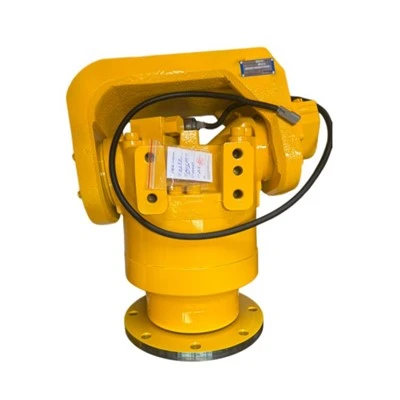
If you’re in the market for a drum cutter, or if you’re looking to upgrade your current setup to make your job site even safer, we’re here to help. We don’t just sell machines—we give training tips, maintenance guides, and on-site support when you need it. Whether you’re a small contractor doing residential demolition or a big mining company, we can hook you up with a drum cutter that fits your needs, plus the resources to keep your team safe. If you have questions about anything we talked about here, or if you want to talk about what drum cutter would work best for your jobs, reach out. We’re all about keeping guys safe and getting the job done right.
Auger Drill References:
- OSHA. (2022). Construction Power Tool Safety Guidelines. Occupational Safety and Health Administration.
- International Society of Automation. (2021). Safety Standards for Heavy Construction Equipment Operation.
- Construction Owners Association of America. (2020). Best Practices for Job Site Safety on Demolition and Trench Work.
- Hydraulic Institute. (2022). Hydraulic Hose Inspection and Maintenance Guidelines for Industrial Equipment.
- National Association of Demolition Contractors. (2021). Operator Training and Safety Protocols for Concrete and Rock Cutting Equipment.
Ningbo Oushijie Hydraulic Transmission Co., Ltd.
Ningbo Oushijie Hydraulic Transmission Co., Ltd. is one of the most professional drum cutter manufacturers and suppliers in China, also supports customized service. With abundant experience, we warmly welcome you to wholesale durable drum cutter at competitive price from our factory.
Address: Changshi Sanxing Industrial Zone, Jiulong Lake Town, Zhenhai District, Ningbo,Zhejiang, China
E-mail: yong@nbosj.com
WebSite: https://www.nbosj.com/
