Hey everyone, let’s cut to the chase—if you’ve got a pet turtle at home and you’re scrounging for storage solutions, or you’re someone who’s dealt with bulk pet feed bags and wondered what to do with them once they’re empty, this post is for me (wait, no, for you). As a pet food woven bags supplier, I get so many DMs and random comments lately asking: “Can I just reuse my old dog food or cat food woven bag for my turtle’s pellets?” It seems simple enough, right? Turtles just eat small, dry food, so why not? But spoiler alert—this isn’t a one-size-fits-all answer, and I’ve talked to so many customers who ran into issues because they skipped the fine print. Let’s break this down like we’re grabbing coffee and geeking out over reptile care, no stuffy jargon allowed. Pet Food Woven Bags
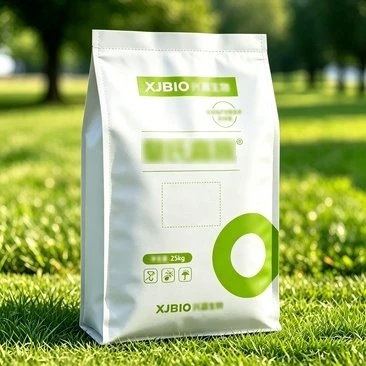
First, let’s get real about what pet food woven bags are made of. The bulk ones I supply are usually polypropylene (PP) woven, maybe coated on the inside with a thin polyethylene (PE) layer to keep moisture out when they’re full of kibble. For dogs and cats, that works fine because their food is often high in fat, or has oils that would seep through flimsy paper bags. But turtles? Their diet range is way wider—pellets, freeze-dried shrimp, leafy greens, even small bits of fruit—and that’s where things start to get tricky. I had a customer last month named Mia, who has two red-eared sliders, and she dumped her empty 50lb dog food bag straight into their tank. Within a week, one of her turtles got a funky, slimy rash on its shell. She thought it was water quality, but it turned out the residue from the dog food in the bag was leaching into the tank water. That’s not a small problem.
Wait, let’s back up—what kind of pet food bags are we even talking about? Not all woven bags are the same. The ones I sell are food-grade, that’s non-negotiable. But food-grade for dogs doesn’t always equal food-grade for turtles, or even safe for turtle long-term food storage. Some cheaper, generic pet feed bags use industrial PP that’s not tested for long-term contact with different types of organic matter, not just the standard kibble they’re made for. If you’re reusing a used bag that wasn’t from a specialty turtle feed (wait, do many specialty turtle feeds even come in woven bags? No, they’re usually smaller plastic bags or tubs), you’ve got to check for residue first. Like, if the bag still smells like beef jerky or fish oil kibble, that’s a hard pass. Turtles need their food to be free of additives that are meant for carnivores or omnivores with different dietary needs.
Now, let’s get to the actual storage part. If you do have an empty, clean, food-grade pet food woven bag—say, one that held plain, dry, grain-free (or whatever your turtle feed is) turtle-specific kibble, not dog food—can you repurpose it? The short answer is: only if you do it right, and even then, it’s not my top recommendation. Here’s why. Woven polypropylene breathes a little, right? It’s not airtight. Turtles, especially aquatic ones, eat food that can get moldy fast if it’s exposed to even a tiny bit of moisture. If you store turtle pellets in a regular woven bag, especially if you live in a humid place like Florida or the Pacific Northwest, moisture will wick in through the tiny gaps in the PP weave, and your food will go bad in a week instead of the month it would in an airtight plastic tub or glass jar.
I work with a lot of reptile rescue groups that buy my bags, and half of them end up repurposing them for turtle supplies, just not food. They use them to carry tank decor, extra water filters, even the leftover crickets they feed larger turtles. That’s a way better use than storing food. For the rare case where a rescue needs to store a small batch of turtle pellets for a few days, I tell them to line the inside of the woven bag with a regular plastic bag, twist-tie the top shut, and keep it in a cool, dark cabinet. That adds that airtight layer the woven bag is missing. But even then, I warn them not to leave it longer than two weeks, because the plastic liner might start to degrade if it’s touching the wet pellets for too long.
Wait, let’s address the safety angle that no one talks about enough. Polypropylene is generally considered safe for food contact, right? But when it’s been used to hold other types of food, or even if it’s brand new, has it been tested for the specific pH and moisture levels of turtle food? Turtle pellets are usually designed to sink, so they have a denser formula than floating koi food, for example. Some pelleted feeds have binding agents that can break down when in contact with certain plastic surfaces, or in the case of used bags, residual chemicals from the original food can transfer over. I had a customer named Raj who runs a small turtle breeding operation, and he told me he had a batch of baby turtles that stopped eating for no obvious reason. Turns out, he was storing their tiny hatchling pellets in a used woven bag that once had cat treats, and the flavoring and preservatives leached into the pellets. That was a huge waste of feed and time, so now he only uses custom, sealed plastic bins for all his reptile feed storage.
Let’s also get into the practicality part. Woven bags are great for transporting large quantities of feed, because they’re lightweight and easy to stack. But for storage, they’re bulkier than rigid plastic containers, and they don’t stack as well when they’re empty. If you’re storing a 20lb bag of turtle food, a rigid tub with a locking lid is way more space-efficient than a woven bag, and it’s reusable for years. The woven bags I sell are meant to hold the feed, not store it long-term after it’s delivered. That’s why we design them with tear-resistant seams, so they don’t break open when you’re carrying them to your car or loading them into a feed bin, not so you can reuse them for months.
Now, what are the exceptions here? I don’t want to be a total buzzkill. If you have a brand-new, unused, unprinted, food-grade woven bag that was specifically made for turtle or reptile food, and you just need a temporary place to store a small amount of pellets for a day or two, that’s fine. But if it’s a used bag, or it held any other type of pet food, or you need to store food for more than a week, skip the woven bag. It’s not worth risking your turtle’s health over a cheap storage solution.
As someone who’s been in the pet food woven bag game for years, I’ve seen so many people try to cut corners on storage for their pets, especially smaller, lower-maintenance ones like turtles. Turtles are hardy, but their bodies are sensitive to foreign chemicals, mold, and spoiled food just like any other pet. I’d rather you splurge on a $10 airtight storage bin for your turtle feed than have to take your pet to the vet for a preventable issue.
Wait, another thing: the ink on the bags. A lot of woven pet food bags have colorful prints with logos, feeding instructions, etc. That ink is not meant to be in direct contact with food, especially not turtle food that’s going to be eaten directly. Even if you wash the bag a dozen times, some of that ink might seep into the plastic fibers, and over time, that can transfer to your feed. I always tell customers to remove any bags with printed ink from direct contact with food, period. If you want to use a plain woven bag for storage, find one that’s unprinted, which is rare, but possible if you buy directly from suppliers like me, or go for a secondhand bag that has the ink worn off.
Let me wrap this up with some clear do’s and don’ts, because that’s what everyone actually wants to remember:
DO: Use brand-new, unprinted, food-grade woven bags for TEMPORARY storage (max 2 days) of turtle feed if you line them with an airtight plastic liner.
DO: Use rigid, airtight plastic containers or glass jars for long-term turtle feed storage.
DO: Wash any used woven bag thoroughly with hot, soapy water and let it dry completely in the sun if you plan to repurpose it for non-food items (like tank toys, decor, etc.).
DON’T: Reuse used pet food woven bags that held other types of pet food for turtle food storage.
DON’T: Skip checking for residue or odors on any woven bag before using it for turtle-related stuff.
DON’T: Store turtle feed in woven bags for more than a week, even if they’re new and unprinted.
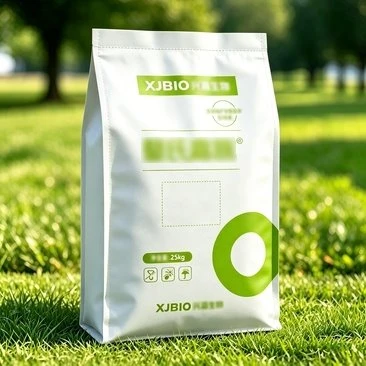
At the end of the day, my job as a pet food woven bag supplier is to make bags that work for transporting and storing pet feed safely and efficiently during their lifecycle, not to be a one-stop storage solution for every random pet supply. Turtles are awesome, low-stress pets, but they still need proper care when it comes to their food and where you keep it. If you’re someone who goes through a lot of turtle food and needs to transport feed in bulk, I’ve got you covered for custom woven bags that are food-grade, durable, and perfect for moving feed from the warehouse to your home or rescue. If you’re stuck on the best storage options for your turtle’s food, feel free to reach out and ask—I’m always happy to help, no strings attached. And if you ever need bulk woven bags for pet feed or transport, just connect with my team to chat through your needs. No pressure, just real advice from someone who’s been in the game too long to sugarcoat things.
Aquatic Feed Bags References:
- Association of Reptile and Amphibian Veterinarians (ARAV). (2021). Guidelines for Safe Storage of Reptile Feed.
- Food and Drug Administration (FDA). (2020). Food-Grade Polypropylene Packaging for Pet and Reptile Food.
- International Society of Pet Suppliers (ISPS). (2022). Reusable Packaging Guidelines for Pet Food and Supplies.
- Journal of Herpetological Medicine and Surgery. (2019). Chemical Exposure Risks in Aquatic Turtles from Contaminated Feed Storage Materials.
Zhejiang Xifeng Packaging Co., Ltd.
We are one of the most experienced pet food woven bags manufacturers and suppliers in China. With a professional production team, we offer a wide range of products with superior quality. Please feel free to buy bulk pet food woven bags at competitive price from our factory. We also accept customized orders.
Address: Xiaojiang Town, Pingyang County, Wenzhou City, Zhejiang Province, China
E-mail: zjxifeng@126.com
WebSite: https://www.xifengpackaging.com/
