As a supplier of transit mixers, I’ve witnessed firsthand the growing demand for more fuel – efficient vehicles in the construction industry. Fuel costs are a significant expense for construction companies, and improving the fuel efficiency of transit mixers can lead to substantial savings over time. In this blog, I’ll share some effective strategies to enhance the fuel efficiency of transit mixers. Transit Mixer
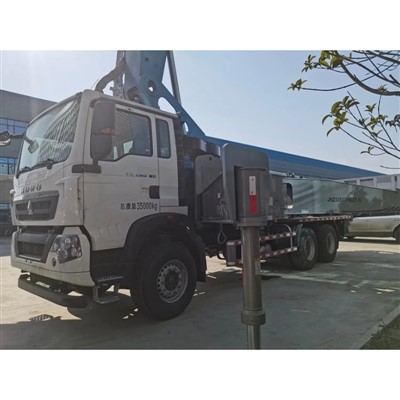
1. Optimize Vehicle Design
The design of a transit mixer plays a crucial role in its fuel efficiency. Modern transit mixers are being designed with aerodynamics in mind. A streamlined body reduces air resistance, which in turn decreases the amount of energy required to move the vehicle forward. For example, we’ve incorporated rounded edges and smooth surfaces in our transit mixers. This not only gives the vehicle a more modern look but also significantly improves its aerodynamic performance.
In addition to aerodynamics, the weight of the transit mixer is another important factor. By using lightweight yet strong materials in the construction of the mixer drum and other components, we can reduce the overall weight of the vehicle. Aluminum alloys are a great choice for some parts as they offer high strength – to – weight ratios. A lighter vehicle requires less fuel to accelerate and maintain speed, leading to better fuel efficiency.
2. Engine Technology
The engine is the heart of the transit mixer, and advancements in engine technology can have a huge impact on fuel efficiency. Our transit mixers are equipped with the latest generation of diesel engines that feature advanced fuel injection systems. These systems precisely control the amount of fuel injected into the combustion chamber, ensuring more complete combustion. This results in better power output and lower fuel consumption.
Turbocharging is another technology that we’ve integrated into our engines. A turbocharger forces more air into the combustion chamber, allowing more fuel to be burned efficiently. This increases the engine’s power without a proportional increase in fuel consumption. Moreover, we’ve also implemented engine management systems that continuously monitor and adjust the engine’s performance based on various factors such as load, speed, and driving conditions. This real – time optimization helps to ensure that the engine operates at its most fuel – efficient level.
3. Proper Maintenance
Regular and proper maintenance is essential for maintaining the fuel efficiency of a transit mixer. One of the most basic yet important maintenance tasks is keeping the tires properly inflated. Under – inflated tires increase rolling resistance, which means the engine has to work harder to move the vehicle. We recommend checking the tire pressure at least once a week and keeping it at the manufacturer’s recommended level.
The air filter also needs to be replaced regularly. A clogged air filter restricts the flow of air into the engine, leading to incomplete combustion and increased fuel consumption. By replacing the air filter at the recommended intervals, we can ensure that the engine receives an adequate supply of clean air for efficient combustion.
Another aspect of maintenance is the lubrication system. Using high – quality engine oil and changing it at the right time helps to reduce friction within the engine. Less friction means less energy is wasted, and the engine can operate more efficiently, resulting in better fuel economy.
4. Driving Behavior
The way a transit mixer is driven can have a significant impact on its fuel efficiency. We encourage our customers to train their drivers on fuel – efficient driving techniques. One such technique is smooth acceleration and deceleration. Rapid acceleration requires a large amount of fuel, and sudden braking wastes the energy that was used to accelerate the vehicle. By accelerating gradually and braking gently, drivers can reduce fuel consumption.
Maintaining a consistent speed is also important. Driving at a constant speed on the highway reduces the need for frequent acceleration and deceleration. Our transit mixers are equipped with cruise control systems that can help drivers maintain a steady speed, which is especially useful on long – distance trips.
Avoiding unnecessary idling is another important tip. Idling consumes fuel without moving the vehicle forward. If the transit mixer is going to be stationary for more than a few minutes, it’s better to turn off the engine.
5. Load Management
Proper load management is crucial for fuel efficiency. Overloading a transit mixer not only puts extra stress on the vehicle’s components but also increases fuel consumption. Our transit mixers are designed to carry a specific maximum load, and it’s important for operators to adhere to these limits.
On the other hand, under – utilizing the capacity of the transit mixer can also be inefficient. By planning the delivery routes and loads carefully, construction companies can ensure that each trip is as productive as possible. This may involve consolidating smaller loads or adjusting the order of deliveries to minimize empty or partially – loaded trips.
6. Hybrid and Electric Options
As the world moves towards more sustainable energy sources, we’re also exploring hybrid and electric transit mixer options. Hybrid transit mixers combine a traditional internal combustion engine with an electric motor. The electric motor can assist the engine during acceleration and other high – load situations, reducing the overall workload on the engine and thus saving fuel.
Electric transit mixers, on the other hand, produce zero emissions and have the potential to be even more energy – efficient. While the technology for fully – electric transit mixers is still in its early stages, we’re investing in research and development to make these vehicles a viable option for our customers in the future.
7. Telematics and Data Analysis
We’re also leveraging the power of telematics and data analysis to improve the fuel efficiency of our transit mixers. Telematics systems can collect a wide range of data, including vehicle speed, engine performance, fuel consumption, and driving behavior. By analyzing this data, we can identify areas where improvements can be made.
For example, if the data shows that a particular driver has a habit of rapid acceleration, we can provide targeted training to correct this behavior. We can also use the data to optimize routes, taking into account factors such as traffic conditions and road gradients. This helps to reduce the distance traveled and the time spent on the road, ultimately leading to better fuel efficiency.
In conclusion, improving the fuel efficiency of a transit mixer is a multi – faceted approach that involves vehicle design, engine technology, maintenance, driving behavior, load management, and the adoption of new technologies. As a transit mixer supplier, we’re committed to providing our customers with vehicles that are not only reliable but also fuel – efficient. By implementing these strategies, construction companies can reduce their operating costs and contribute to a more sustainable future.
If you’re interested in learning more about our fuel – efficient transit mixers or would like to discuss a potential purchase, we’d love to hear from you. Reach out to our sales team to start a conversation about how our products can meet your construction needs.
Concrete Mixer References
- "Vehicle Aerodynamics: Design and Development" by E. M. Winkelmann
- "Diesel Engine Technology: Principles and Practice" by J. B. Heywood
- "Fuel – Efficient Driving Techniques: A Guide for Commercial Vehicle Operators" published by the Department of Transportation
Shandong Fuxin Automobile Technology Co., Ltd.
We’re well-known as one of the leading transit mixer manufacturers and suppliers in China, featured by quality products and good price. Please rest assured to buy advanced transit mixer made in China here from our factory. Contact us for more details.
Address: West of Nanshou Road, Beihai Road, Weifang City, Shandong Province
E-mail: h17616861003@gmail.com
WebSite: https://www.fuxinautomobile.com/
