Hey there! I’m a supplier of water ring vacuum pumps. Over the years, I’ve gotten tons of questions from customers about how to improve the vacuum stability of these pumps. So, I thought I’d share some insights based on my hands – on experience in the field. Water Ring Vacuum Pump
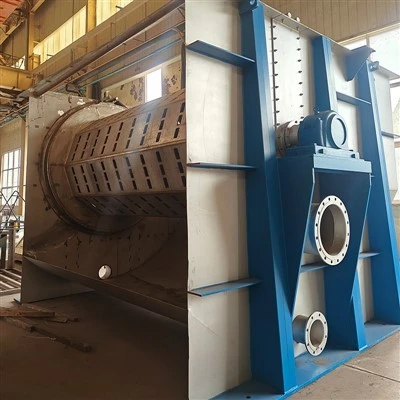
First off, let’s understand why vacuum stability is such a big deal. In many industrial processes, a stable vacuum is crucial. Whether it’s in chemical manufacturing, food processing, or pharmaceutical production, an unstable vacuum can lead to all sorts of problems. It might cause inconsistent product quality, reduce production efficiency, or even damage equipment in some cases.
1. Proper Installation
The installation of a water ring vacuum pump is the first step towards ensuring good vacuum stability. You gotta make sure it’s installed on a solid and level foundation. If the pump is sitting on an uneven surface, it can cause vibrations during operation. These vibrations can mess with the internal components of the pump and lead to fluctuations in the vacuum level.
Also, when connecting the pipes, use high – quality gaskets and make sure all the connections are tight. Leaky pipes can let air in, which is a major no – no for maintaining a stable vacuum. And don’t forget to keep the pipes as short and straight as possible. Long, winding pipes can increase the resistance to the flow of air, making it harder for the pump to maintain a consistent vacuum.
2. Water Management
Water is the lifeblood of a water ring vacuum pump. The quality and quantity of water used in the pump play a huge role in its vacuum stability.
Water Quality: You should use clean water. Dirty water can contain particles that can wear out the pump’s impeller and other internal components. Over time, this wear can lead to a decrease in the pump’s performance and vacuum stability. If the water source is not clean, consider using a filtration system to remove any impurities before the water enters the pump.
Water Temperature: The temperature of the water also matters. As a general rule, the cooler the water, the better. When water gets too warm, its vapor pressure increases, which means more water vapor will be present in the pump. This extra vapor can reduce the pump’s ability to create a deep vacuum and make the vacuum level less stable. You can use a cooling system, like a heat exchanger, to keep the water temperature within the recommended range.
Water Level: Maintaining the right water level in the pump is essential. If the water level is too low, the pump won’t be able to form an effective water ring, and the vacuum performance will suffer. On the other hand, if the water level is too high, it can cause flooding inside the pump, which can also lead to instability. Most pumps have a sight glass or a level indicator to help you monitor the water level easily.
3. Regular Maintenance
Just like any other piece of equipment, water ring vacuum pumps need regular maintenance to keep them in top shape.
Inspecting and Replacing Worn Parts: Over time, parts like the impeller, seals, and bearings can wear out. A worn – out impeller might not be able to rotate smoothly, which can disrupt the water ring formation and affect the vacuum stability. You should regularly inspect these parts and replace them as needed. It’s a good idea to have a maintenance schedule and stick to it.
Lubrication: Some components of the pump, such as the bearings, need proper lubrication. Using the right type of lubricant and applying it at the right intervals can prevent excessive wear and tear, which in turn helps maintain vacuum stability.
Cleaning the Pump: Dirt and debris can build up inside the pump over time. This buildup can restrict the flow of air and water, leading to a decrease in performance. Periodically cleaning the pump, including the casing, impeller, and water channels, can help keep it running smoothly.
4. System Design and Integration
The way the water ring vacuum pump is integrated into the overall system can also impact its vacuum stability.
Matching the Pump to the System Requirements: You need to choose a pump that is sized correctly for your specific application. If the pump is too small, it won’t be able to handle the load, and the vacuum will be unstable. On the other hand, if it’s too large, it can be inefficient and may also lead to problems. Consider factors like the required vacuum level, the volume of air to be pumped, and the operating conditions when selecting a pump.
Using Buffer Tanks: Installing a buffer tank in the system can help smooth out any fluctuations in the vacuum. The buffer tank acts as a reservoir of air, absorbing sudden changes in the air flow and pressure. This can make the vacuum more stable, especially in systems where there are intermittent air demands.
5. Monitoring and Control
Monitoring the performance of the water ring vacuum pump is crucial for maintaining vacuum stability.
Using Sensors: You can install sensors to measure parameters like vacuum level, water temperature, and motor current. These sensors can provide real – time data about the pump’s operation, allowing you to detect any issues early on. For example, if the vacuum level starts to drop suddenly, it could indicate a problem with the pump or the system.
Automated Control Systems: Implementing an automated control system can help adjust the pump’s operation based on the monitored data. For instance, if the water temperature rises above a certain level, the control system can activate the cooling system to bring it back down. This kind of intelligent control can ensure that the pump operates at optimal conditions and maintains a stable vacuum.
In conclusion, improving the vacuum stability of a water ring vacuum pump requires a combination of proper installation, careful water management, regular maintenance, well – designed system integration, and effective monitoring and control. By following these steps, you can ensure that your pump runs smoothly and delivers a consistent vacuum, which is essential for the success of your industrial processes.
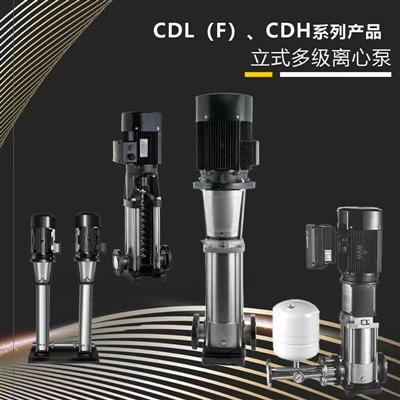
If you’re in the market for a water ring vacuum pump or need more advice on how to improve the vacuum stability of your existing pump, don’t hesitate to reach out. We’re here to help you find the best solutions for your needs.
Paper Pulp Mixer References:
- "Handbook of Vacuum Physics" by various authors
- Manufacturer’s manuals of water ring vacuum pumps
- Industrial journals on vacuum technology
Xiaofeng Machinery Technology Co., Ltd.
As one of the most professional water ring vacuum pump manufacturers and suppliers in China, we also support custom service. Please feel free to wholesale advanced water ring vacuum pump made in China here from our factory. Quality products and reasonable price are available.
Address: No.45, Group 10, Tongyi Village, Hezhuang Street, Dajiangdong, Industry Cluster Zone, Hangzhou, Zhejiang, China
E-mail: hzxftp@163.com
WebSite: https://www.hzxfmt.com/
