Hey there! I’m a supplier of titanium plates, and you know what? I often get asked if titanium plates can be used in nuclear power plants. That’s a pretty big question, and I’m here to break it down for you in plain English. Titanium Plates
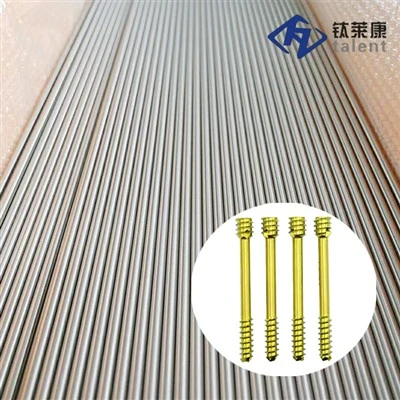
First off, let’s talk a bit about titanium. Titanium is an amazing metal. It’s super lightweight but also incredibly strong. It has this awesome ability to resist corrosion, which is a huge deal in a lot of industries. You’ll find titanium in everything from aerospace to medical implants. It’s like the Swiss Army knife of metals, always coming in handy where you need durability and reliability.
Now, when it comes to nuclear power plants, there are a whole bunch of factors to consider. Nuclear power plants are complex places. They generate electricity by harnessing the power of nuclear fission, and they have to deal with some pretty extreme conditions. High temperatures, radiation, and corrosive environments are just part of the daily routine.
One of the main advantages of using titanium plates in nuclear power plants is their corrosion resistance. Nuclear power plants use a lot of water, either for cooling or as a coolant within the reactor itself. This water can be pretty aggressive, especially if it’s been in contact with radioactive materials or if it has certain chemical additives. Titanium’s natural oxide layer acts as a protective shield, preventing the metal from corroding even in these harsh conditions. This means that titanium plates can last a long time, reducing the need for frequent replacements and maintenance.
Another important aspect is titanium’s strength – to – weight ratio. In a nuclear power plant, every bit of weight matters. The less weight you have to move around, the more efficient the whole system can be. Titanium’s high strength means that you can use thinner plates without sacrificing structural integrity. This not only saves on material costs but also makes the construction and installation process a lot easier.
But it’s not all sunshine and rainbows. There are some challenges to using titanium plates in nuclear power plants too. One of the biggest issues is cost. Titanium is more expensive than a lot of other metals. The extraction and processing of titanium are complex and energy – intensive processes, which drives up the price. For a nuclear power plant project, which already has a huge budget, the cost of using titanium plates can be a significant factor.
Another concern is the behavior of titanium under radiation. While titanium is generally considered to be radiation – resistant, there’s still a lot we don’t know about its long – term performance in a high – radiation environment. Nuclear radiation can cause changes in the structure and properties of materials over time. Scientists are still studying how titanium will hold up in the long run, especially in the core of a nuclear reactor where the radiation levels are extremely high.
There’s also the issue of welding and fabrication. Titanium is a bit of a tricky metal to work with. It requires special welding techniques and equipment to ensure a strong and reliable joint. If the welding isn’t done correctly, it can lead to weak spots in the plates, which could be a major problem in a nuclear power plant.
Despite these challenges, there are some areas in nuclear power plants where titanium plates are already being used. For example, in the cooling water systems, where the water is less radioactive and the conditions are a bit less extreme, titanium’s corrosion resistance makes it a great choice. It can help prevent the build – up of rust and other contaminants, which can improve the efficiency of the cooling system.
In the containment structures of some nuclear power plants, titanium plates are also being considered. The containment structure is designed to prevent the release of radioactive materials in case of an accident. Titanium’s strength and corrosion resistance could potentially make it a better option than traditional materials like concrete and steel.
So, can titanium plates be used in nuclear power plants? The answer is yes, but with some caveats. It really depends on the specific application and the trade – offs between cost, performance, and safety.
If you’re involved in a nuclear power plant project or just curious about the potential of using titanium plates, I’d love to have a chat with you. I’ve been in the titanium plate business for a long time, and I’ve got a lot of experience working with different industries. Whether you’re looking for more information about the properties of titanium, or you’re ready to start a procurement process, I’m here to help. Just reach out, and we can discuss how titanium plates can fit into your project.
Medical Titanium Wires References
- "Titanium: A Technical Guide" by John C. Williams
- "Nuclear Power Plant Engineering" by Neil E. Todreas and Mujid S. Kazimi
- Various research papers on the use of titanium in extreme environments from scientific journals such as "Corrosion Science" and "Journal of Nuclear Materials"
Baoji Tailaikang High-Tech Metal Materials Co., Ltd.
With abundant experience, we are one of the most professional titanium plates manufacturers and suppliers in China. Please feel free to buy titanium plates for sale here and get pricelist from our factory. For price consultation, contact us.
Address: No. 1, Southeast Cross of Gaoxin Avenue and Fenghuang 3rd Road, High-tech Development Zone, Baoji City, Shaanxi Province, China
E-mail: sale@tlkjs.com
WebSite: https://www.tlkmetal.com/
