When it comes to chain plate feeder chains, one of the most frequently asked questions from our clients is about their service life. As a seasoned supplier in the industry, I’ve encountered diverse scenarios and learned a great deal about what affects the lifespan of these essential components. In this blog, I’ll delve into the factors that determine the service life of a chain plate feeder chain and offer some insights on how to optimize it. Chain Plate Feeder Chain

Key Factors Influencing the Service Life
Chain Quality
The quality of the chain itself is the most fundamental factor determining its service life. High – quality chains are made from superior materials with excellent wear resistance, fatigue resistance, and strength. For instance, chains forged from high – grade alloy steels and properly heat – treated can withstand heavy loads and harsh operating conditions much better than lower – grade counterparts.
We take pride in sourcing the best raw materials and employing advanced manufacturing techniques. Our chains are precisely machined to meet strict dimensional tolerances, ensuring a smooth fit with the feeder’s sprockets. This precision not only improves the overall performance of the chain but also extends its service life by reducing premature wear caused by misalignment.
Operating Conditions
The environment in which the chain plate feeder operates has a significant impact on the chain’s lifespan. Harsh environments, such as those with high levels of dust, dirt, and moisture, can accelerate chain wear. Dust and dirt can act as abrasives, scratching the chain’s surface and increasing friction. In wet conditions, especially in the presence of corrosive substances, the chain is at risk of rust and corrosion, which weakens its structure.
In mines, for example, where the chain may be exposed to rock dust and water, the conditions are extremely challenging. Similarly, in chemical plants, the presence of corrosive chemicals can severely damage the chain. To combat these issues, we offer chains with special coatings or treatments. For high – dust environments, we provide chains with enhanced seals to prevent dust ingress. In corrosive settings, we recommend stainless – steel chains or chains coated with anti – corrosion materials.
Load and Speed
The load carried by the chain and the operating speed of the feeder are critical factors. Overloading the chain beyond its rated capacity can cause excessive stress, leading to premature fatigue and failure. High – speed operation also increases the wear rate of the chain. Each of our chains is rated for a specific load capacity and speed range, and it’s crucial for our customers to operate within these limits.
When a chain plate feeder is required to handle heavy loads at high speeds for extended periods, the chain experiences more significant forces and friction. In such cases, we may suggest using a larger – sized chain or a chain with a higher strength rating. Additionally, proper lubrication becomes even more important at high speeds to reduce friction and heat generation.
Maintenance
Regular and proper maintenance is the key to extending the service life of a chain plate feeder chain. This includes lubrication, inspection, and adjustment. Lubrication reduces friction between the chain’s components, preventing excessive wear and heat buildup. Different operating environments may require different types of lubricants. For example, in high – temperature environments, a high – temperature – resistant lubricant is necessary.
Inspecting the chain regularly for signs of wear, damage, or misalignment is also essential. A small problem detected early can be easily repaired, preventing it from escalating into a major failure. Adjusting the chain tension is another crucial maintenance task. Over – tensioned or under – tensioned chains can cause premature wear and even damage to other feeder components.
Case Studies
We have worked with numerous clients over the years, and I’d like to share a couple of case studies to illustrate the impact of these factors on the chain’s service life.
One of our clients in the quarrying industry was experiencing frequent chain failures. After a thorough inspection, we found that the chains were being overloaded due to improper material handling. The feeder was designed to handle a certain volume of rocks, but the operators were sometimes exceeding this limit. Additionally, the chains were not being properly lubricated, and the environment was extremely dusty.
We recommended upgrading to a higher – strength chain, installing dust – proof covers, and implementing a regular lubrication schedule. After these changes were made, the service life of the chains increased significantly from an average of 3 months to over 9 months, saving the client a substantial amount of money on replacement costs and downtime.
Another client in the food processing industry was using a chain plate feeder in a relatively clean but high – humidity environment. The original chains were made of regular steel and were suffering from corrosion. We provided them with stainless – steel chains and advised on a proper maintenance routine, including regular cleaning and light lubrication. As a result, the chain’s service life improved from around 6 months to 18 months, ensuring a more reliable and efficient production process.
Optimizing the Service Life
Based on our experience, here are some practical tips for our customers to optimize the service life of their chain plate feeder chains:
- Choose the Right Chain: Select a chain that is appropriate for your specific application. Consider factors such as load capacity, operating speed, and environmental conditions. If you’re unsure, our technical team is always available to provide expert advice.
- Implement a Maintenance Schedule: Develop a comprehensive maintenance plan that includes regular lubrication, inspection, and adjustment. Train your operators to follow this schedule strictly.
- Monitor Operating Conditions: Keep an eye on the load, speed, and environmental conditions. If there are any changes, adjust the chain or the operating parameters accordingly.
- Use Quality Lubricants: Invest in high – quality lubricants that are suitable for your operating environment. This will reduce friction and protect the chain from wear and corrosion.
Conclusion
In conclusion, the service life of a chain plate feeder chain is determined by a combination of factors, including chain quality, operating conditions, load and speed, and maintenance. By understanding these factors and taking appropriate measures, our customers can significantly extend the lifespan of their chains.
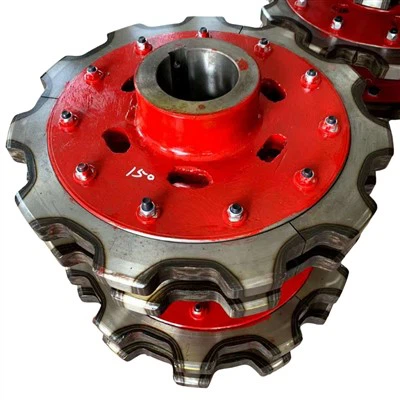
Sprocket As a reliable supplier of chain plate feeder chains, we are committed to providing high – quality products and excellent technical support. If you’re looking for a chain that can withstand your specific operating conditions and offer a long service life, we’re here to help. Whether you need advice on chain selection, maintenance, or have any other questions, don’t hesitate to contact us. We look forward to discussing your requirements and finding the best solution for your chain plate feeder.
References
- "Chain Engineering Handbook", published by the American Chain Association
- Technical reports from leading steel manufacturers on the properties of chain – making materials
- Research papers on the wear and fatigue of industrial chains in various operating environments
Zhejiang Hangte Chain Transmission Co., Ltd.
We are one of the most experienced chain plate feeder chain manufacturers and suppliers in China since 1999. Please rest assured to buy high quality chain plate feeder chain made in China here from our factory. If you have any enquiry about cooperation, please feel free to email us.
Address: No. 195 Qinglin East Street, Qingshan Lake Subdistrict, Lin’an District, Hangzhou City, Zhejiang Province
E-mail: hangtechain@gmail.com
WebSite: https://www.chinahtchain.com/
