In the world of fluid transfer systems, pumps play a crucial role. Among the numerous types of pumps available in the market, pipeline pumps and normal pumps are two commonly used categories. As a supplier of pipeline pumps, I’ve encountered many customers who are curious about the differences between these two types of pumps. In this blog post, I’ll share my insights based on years of experience in the industry to help you understand the distinctions and make more informed decisions when choosing the right pump for your needs. Pipeline Pump
Structural Design
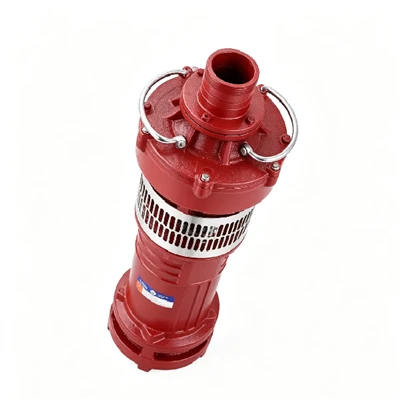
One of the most obvious differences between pipeline pumps and normal pumps lies in their structural design. Pipeline pumps are specifically designed to be installed directly in the pipeline system. They are usually in a vertical structure, which allows them to be easily integrated into the pipeline without the need for additional large – scale installation space. This vertical design also makes the pipeline pump more compact, which is very suitable for applications with limited space.
On the other hand, normal pumps come in a wide variety of structural forms, including horizontal, vertical, and inclined designs. Horizontal pumps are the most common type of normal pumps. They typically require a larger installation area because they need a stable base to support the pump body. The design of normal pumps is more diverse to meet the needs of different application scenarios, such as in large – scale industrial production workshops where horizontal pumps are often used due to their stable operation.
Flow and Head Characteristics
Flow and head are two important performance indicators for pumps. Pipeline pumps generally have relatively moderate flow and head ranges. They are designed to provide a stable flow rate for fluid transportation in pipelines within a certain distance. The flow rate of pipeline pumps can usually meet the needs of general water supply and drainage systems, such as in building water supply and small – scale industrial water circulation.
Normal pumps, however, can have a much wider range of flow and head capabilities. Some large – scale normal pumps used in industrial applications, such as in power plants for cooling water circulation or in mining for slurry transportation, can have extremely high flow rates and heads. These pumps are designed to handle large – volume fluid transfer over long distances or against high resistance. For instance, a normal centrifugal pump used in a large – scale oil refinery may have a much higher flow rate and head compared to a pipeline pump used in a residential building’s water supply system.
Efficiency and Energy Consumption
Efficiency is a key factor when considering the operation cost of a pump. Pipeline pumps are often designed with high – efficiency impellers and optimized flow channels to ensure efficient fluid transfer within the pipeline. Their compact structure also reduces energy losses during operation. As a result, pipeline pumps generally have a relatively high energy – efficiency ratio, which means they can achieve a certain flow and head with relatively less power consumption. This makes them cost – effective for long – term operation in applications where energy saving is crucial.
Normal pumps’ efficiency can vary greatly depending on their type, design, and application. Some high – performance normal pumps used in advanced industrial processes can also achieve very high efficiency. However, in general, due to their more complex structures and larger sizes, the energy consumption of normal pumps may be relatively higher, especially in some low – load or off – design operating conditions. For example, a large normal displacement pump may consume more energy than a pipeline pump when used in a small – scale circulation system.
Application Scenarios
Pipeline pumps are commonly used in scenarios where the fluid needs to be transported continuously in a pipeline system. They are very suitable for building water supply and drainage, such as in high – rise buildings, hotels, and hospitals. In these applications, the pipeline pump can be directly installed in the water supply or drainage pipeline to ensure a stable water supply or discharge. Pipeline pumps are also widely used in small – scale industrial water circulation systems, such as in some light – industrial manufacturing plants where they are used to transfer cooling water or process fluids.
Normal pumps, with their diverse performance and structural characteristics, are used in a much broader range of applications. In the power generation industry, normal pumps are used for boiler feedwater, condenser cooling water circulation, and ash – water transportation. In the chemical industry, they are used to transfer various chemical fluids, including corrosive and viscous liquids. Mining operations also rely heavily on normal pumps for slurry transportation, dewatering, and filling. In addition, normal pumps are used in irrigation, sewage treatment, and large – scale water supply projects for cities and towns.
Maintenance and Installation
The installation of pipeline pumps is relatively simple. Since they are designed to be directly installed in the pipeline, the installation process mainly involves connecting the pump inlet and outlet to the pipeline, and then fixing the pump in place. The compact structure of pipeline pumps also makes maintenance more convenient. Access to internal components such as impellers and seals is relatively easy, which reduces maintenance time and cost. For example, in a building water supply system, if a pipeline pump needs maintenance, the maintenance personnel can quickly access the pump and complete the necessary repairs without major disruption to the pipeline system.
Normal pumps, especially large – scale ones, usually require more complex installation procedures. They often need to be installed on a specially designed foundation to ensure stability during operation. The alignment of the pump shaft and the motor shaft also requires high precision to avoid vibration and premature wear. Maintenance of normal pumps can be more challenging and time – consuming. Due to their large size and complex internal structure, disassembling and reassembling normal pumps may require special tools and professional skills. In some cases, maintenance of normal pumps may even require shutting down the entire production process, which can cause significant economic losses.
Cost Considerations
In terms of initial purchase cost, pipeline pumps are generally more affordable than normal pumps. Their simple design and relatively small size result in lower manufacturing costs, which are then reflected in the selling price. This makes pipeline pumps an attractive option for small – scale projects and applications with budget constraints.
The long – term cost of using a pump, however, includes not only the purchase cost but also the cost of energy consumption, maintenance, and repair. As mentioned earlier, pipeline pumps are more energy – efficient and easier to maintain, which can lead to lower long – term operating costs. Normal pumps, although they may have a higher initial purchase price, can be more cost – effective in large – scale industrial applications where their high – performance capabilities are fully utilized, and the cost per unit of fluid transferred is relatively low.
Conclusion

In summary, pipeline pumps and normal pumps have significant differences in structural design, flow and head characteristics, efficiency and energy consumption, application scenarios, maintenance and installation, and cost. As a pipeline pump supplier, I understand that choosing the right pump is crucial for the success of your project. If you are looking for a pump for a small – scale pipeline system with limited space and a need for energy – efficient operation, a pipeline pump may be the best choice. However, if you need a pump with high – performance capabilities for large – scale industrial applications or complex fluid transfer tasks, a normal pump may be more suitable.
QSP Landscape Fountain Pump If you are still unsure which type of pump is the right fit for your needs, or if you have any questions about our pipeline pumps, please don’t hesitate to contact us. Our team of experts is always ready to provide you with professional advice and support to help you make the best decision. We look forward to discussing your requirements and working together to find the perfect pump solution for your project.
References
- "Pump Handbook" by Igor J. Karassik, Joseph P. Messina, Paul Cooper, and Charles C. Heald
- "Centrifugal Pumps: Fundamentals and Applications" by Bhaskaran Gurumoorthy
- "Positive Displacement Pumps Technology and Applications" by Rafal G. Wojtanowski
Longbiao Pump Industry Co., Ltd.
We are one of the most professional pipeline pump manufacturers and suppliers in China, featured by quality products and low price. Please rest assured to buy discount pipeline pump for sale here from our factory. We also accept customized orders.
Address: Unit 101, Building 11, Pan’ao Entrepreneurship Park, Daxi Town, Wenling City, Taizhou City, Zhejiang Province, P.R. China
E-mail: 1653746797@qq.com
WebSite: https://www.cnlongbiao.com/
