If you’ve ever worked in industries like mining, agriculture, construction, or heavy manufacturing, you know that Perrot couplings are workhorses of hydraulic and pneumatic systems—those quick-disconnect fittings that save hours of downtime by letting you swap hoses, tools, and attachments in seconds. As a Perrot coupling supplier with over a decade of hands-on experience, I’ve seen firsthand how even the smallest misstep in handling these fittings can turn a routine job into a safety hazard. A few years back, I visited a construction site where a worker didn’t lock a Perrot coupling fully before pressurizing the line; the coupling popped apart on impact, spraying high-pressure hydraulic fluid that burned his arm and required a week of medical leave. That incident stuck with me, and it’s why I’ve made it my mission to walk users through the non-negotiable safety precautions for Perrot couplings—not just to follow rules, but to protect the people who rely on these tools every day. Perrot Coupling
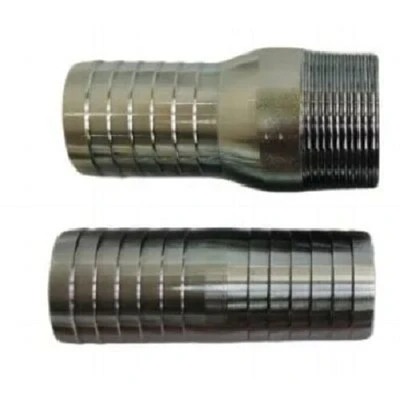
First, let’s cut through the confusion: Perrot couplings (sometimes called “International Standard” or “ISO A” couplings) aren’t the same as generic quick-disconnect fittings. They’re designed with a latching collar, two lock tabs, and a pressure relief valve that work in sync to handle high-volume, high-pressure flow—often up to 5000 PSI for heavy industrial use. Their size and durability make them ideal for large hoses and equipment, but that power comes with responsibility. The most foundational precaution, and the one skipped most often, is inspecting the coupling before every use. It’s easy to grab a coupling from the tool bin, assume it’s in good shape, but small cracks, bent lugs, or worn seals are hidden dangers. Last month, a farmer told me he’d been using a Perrot coupling for his grain auger for two years without checking—only to discover a hairline crack in the male half that split when he connected it, spewing grain and hydraulic oil all over his barn floor. How to inspect correctly? Start with a visual check: run your fingers along the metal body to feel for cracks, dents, or burrs that could catch the latching collar. Check the two lock tabs on the male end—they should spring back firmly when pressed, not feel loose or stiff. For the sealing ring (usually rubber or polyurethane), look for tears, swelling, or brittleness. If the seal is swollen, that’s a sign it’s been exposed to incompatible fluid (like petroleum-based oil vs. synthetic), and it needs to be replaced immediately. I keep a spare seal kit in every service truck, and I always remind customers: if any part of the coupling looks or feels off, swap it out. A $10 seal is way cheaper than a $10,000 medical bill or a day of lost production.
Next, the pressure check: this is the step where even experienced workers cut corners. Never connect or disconnect a Perrot coupling when the line is pressurized. I’ve seen workers grab a coupling, yank the latching collar, and pull it apart while the hose is still holding pressure—this is a formula for a “whiplash” event, where the hose snaps back violently, hitting the worker or nearby equipment. Before disconnecting, always shut off the power to the pump, then bleed the line of all pressure. How do you know pressure is gone? For most systems, there’s a pressure gauge that will drop to 0, but if your equipment doesn’t have one, you can slowly crack the end of the hose (pointing it away from your body) to let any remaining fluid or air escape. Another trick: for larger couplings, gently tug the hose after disconnecting—if it pulls free easily, there was no residual pressure. If it resists, go back and bleed the line more. A common mistake is assuming that just turning off the machine is enough; hydraulic accumulators can hold pressure for hours, even after the engine is off. I once had a customer who tried to disconnect a coupling after shutting down a crane; the accumulator released pressure when he pulled, slamming the hose into his ribcage. That injury kept him out of work for three months, all because he skipped one small step.
Once you’ve confirmed the coupling is undamaged and the line is depressurized, the actual connection step needs attention too. A lot of workers push the male end into the female half, then give the latching collar a quick twist and call it a day—but that’s not enough. Perrot couplings have a “locked” position, and you have to confirm it. After inserting the male plug fully (until it seats with a distinct click), pull the latching collar back and forth gently—if it moves, it’s not locked. Then, check that both lock tabs on the male end are properly engaged with the notches on the female coupling. If only one tab is locked, the coupling will separate under pressure. I’ve seen this happen with a mining crew: they connected a Perrot coupling to a water pump, only to have one tab miss the notch, leading to the coupling blowing apart 10 minutes into a shift. The resulting water damage ruined a $5000 control panel, and the crew lost 12 hours of production. Another critical point: never use a Perrot coupling for a fluid it’s not rated for. These couplings are designed for specific pressure and temperature ranges, and using them with fluids that are too hot or too corrosive can degrade the metal or seals. For example, a Perrot coupling rated for 3000 PSI and 140°F is not safe for use with a 4000 PSI hydraulic system or a steam line—even if it fits. Always check the coupling’s rating stamp (usually on the side of the body) before use, and match it to the system’s specifications. As a supplier, I never sell a coupling without a clear label of its pressure and temperature limits, and I always encourage customers to ask if they’re unsure about compatibility.
Disconnection is another area with hidden risks, especially if you’re working with larger couplings (3 inches and up). When you disconnect, make sure you’re not standing in the line of fire. Even with proper pressure bleeding, a small amount of fluid or air can still escape when you pull the coupling apart, and a high-velocity stream can cause injury. Always stand to the side, not directly in front of or behind the coupling, when separating the two halves. For heavy hoses, use a hose cart or a second worker to support the weight of the hose when you disconnect—dropping a 50-pound hose can cause foot or back injuries. I’ve seen a worker in a warehouse drop a 4-inch hose after disconnecting a coupling, breaking his foot so badly he had to have surgery. A simple tip: never try to muscle a heavy hose alone. If you’re working alone, use a winch or a hose reel to lower the hose slowly.
Storage and maintenance are often overlooked, but they’re key to long-term safety. When you’re not using Perrot couplings, store them in a dry, clean place—never leave them on the ground where they can get dirty, rusty, or damaged by heavy equipment. Dirt or debris in the coupling’s mating surface can cause leaks or prevent it from locking properly. I recommend keeping couplings in a sealed plastic bin with desiccant to prevent rust, especially if you work in a damp or outdoor environment. Regular maintenance (every 3-6 months, depending on use) will also extend the life of your couplings and keep them safe. Clean the coupling with a mild detergent and water, not a high-pressure washer—high pressure can push water into the seal or the metal body, causing corrosion. Lubricate the latching collar and lock tabs with a light, non-corrosive oil (never grease, which attracts dirt) to keep them working smoothly. If a coupling has been dropped or exposed to extreme conditions, inspect it immediately for damage—don’t wait until the next job.
One last precaution that I can’t stress enough: never modify a Perrot coupling. Some workers try to file down the lock tabs to make them easier to connect, or weld extra fittings onto the body to adapt it to another hose. This is extremely dangerous. Modifying the coupling changes its structural integrity, which can cause it to fail under pressure. I once had a customer who welded a different fitting onto a Perrot coupling to fit a custom hose; the coupling split under pressure, sending a shard of metal into his shoulder. It’s a mistake that comes from trying to save time or money, but it’s never worth the risk. If you need a coupling for a custom application, reach out to a reliable supplier—we can help you find the right Perrot coupling or even a custom adapter that meets your needs, without modifying a standard fitting.

As someone who’s spent years supplying Perrot couplings to industries across the globe, I know that safety isn’t just a set of rules—it’s a habit. The incidents I mentioned earlier didn’t have to happen: a 10-minute inspection, a quick pressure check, or a gentle tug to confirm the lock could have prevented all of them. For workers who rely on Perrot couplings to keep their operations running, taking these small, consistent steps isn’t just about avoiding injury—it’s about protecting their livelihood, their team, and their business. If you have questions about Perrot coupling selection, maintenance, or safety protocols, I’m here to help. Contact our team today to discuss your needs, whether you’re looking for new couplings, spare parts, or guidance on safe usage practices.
Strainer References
- Occupational Safety and Health Administration (OSHA). Hydraulic and Pneumatic System Safety. U.S. Department of Labor, 2022.
- Perrot North America. Perrot Coupling Safety and Operation Manual. 2021.
- National Agricultural Safety Database (NASD). Hydraulic Equipment Hazards for Farm Workers. University of Iowa, 2020.
- American National Standards Institute (ANSI). Standard for Quick-Disconnect Couplings for Industrial Hydraulic Fluids. ANSI B109.1-2019.
Suzhou Fuyikang Metal Industrial Co., Ltd.
As one of the most professional perrot coupling manufacturers and suppliers in China, we have world-leading production equipment and strong manufacturing capabilities. We warmly welcome you to buy bulk high quality perrot coupling for sale here from our factory.
Address: No.26.Mudong Rd,Mudu Town, Wuzhong Distric, Suzhou City,Jiangsu Province,China
E-mail: SZFYK@SZFUYIKANG-COUPLING.COM
WebSite: https://www.fyk-coupling.com/
