Hey there, fellow power – conscious peeps! As a power cable supplier, I get this question a lot: “Can I use a power cable with a different insulation material?” And let me tell you, it’s not a one – size – fits – all answer. Power Cable
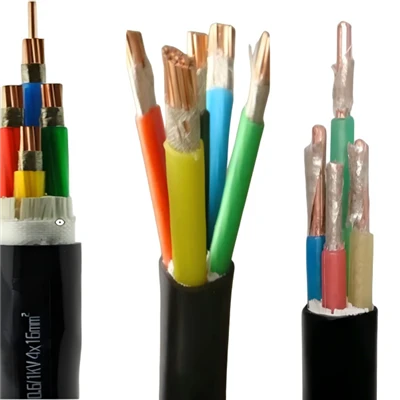
First off, let’s understand what cable insulation is all about. Insulation in power cables is like a protective shield. Its main job is to keep the electrical current flowing inside the conductor and prevent it from leaking out. Imagine it as a jacket for the electricity, keeping it safe and sound. Different insulation materials have different properties, and these properties can have a huge impact on how well the cable works.
One of the most common insulation materials is PVC (Polyvinyl Chloride). PVC is great because it’s cheap, flexible, and easy to work with. It’s widely used in household appliances and general electrical wiring. It has good resistance to moisture and various chemicals, which makes it a reliable choice for a lot of applications.
Then there’s XLPE (Cross – Linked Polyethylene). This stuff is a bit more high – tech. XLPE has excellent electrical properties, high thermal resistance, and is more durable than PVC. It can handle higher voltages and is often used in outdoor power distribution and industrial applications. If you’ve got a high – power, long – distance power transmission need, XLPE is likely your go – to.
But here’s the million – dollar question: Can you swap these two around? Well, it depends. If you’re talking about a small, low – power device, like a table lamp, using a cable with a different insulation material might not be a big deal. For instance, if you accidentally use an XLPE cable instead of a PVC one for your lamp, it’ll probably still work fine. The lamp doesn’t draw a huge amount of power, so the electrical and thermal properties of the XLPE won’t cause any issues.
However, if you try to use a PVC cable in a high – voltage, high – power industrial setting, that’s a whole different ballgame. PVC just doesn’t have the same level of insulation strength as XLPE. It might break down under high voltages, leading to electrical leakage or even a short – circuit. That’s super dangerous, not to mention it could damage your equipment.
Another factor to consider is the environment where the cable will be used. Some insulation materials are more resistant to extreme temperatures, UV radiation, or mechanical stress. For example, if you’re installing cables in a hot, sunny outdoor area, a cable with insulation that can withstand UV rays is a must. Silicone rubber insulation is known for its excellent UV resistance and can work well in such conditions. Using a cable with a less UV – resistant insulation material could lead to the insulation deteriorating over time, exposing the conductor and creating safety hazards.
Let’s talk about cost too. Different insulation materials come with different price tags. PVC is generally more budget – friendly, while materials like fluoropolymers, which have outstanding chemical and temperature resistance, are much more expensive. If you’re on a tight budget, you might be tempted to use a cheaper cable with a different insulation material. But you’ve got to balance cost with performance and safety. A cheap cable might save you some money upfront, but if it fails to work properly or causes safety issues, it’ll end up costing you a lot more in the long run.
When it comes to regulations, there are standards in place that specify which insulation materials are suitable for different applications. For example, in building wiring, there are strict codes regarding the type of insulation that can be used. Using a cable with an inappropriate insulation material could mean non – compliance with these regulations. This can not only result in fines but also pose serious risks to the safety of the building’s occupants.
As a power cable supplier, I always recommend doing your homework before making a decision about using a cable with a different insulation material. Consider the power requirements, the environment, the cost, and the regulatory aspects. If you’re not sure, it’s a good idea to consult with an electrical engineer or an expert in the field.
Now, I know all this might seem a bit overwhelming, but that’s where we come in. We’ve got a wide range of power cables with different insulation materials to meet all your needs. Whether you’re a homeowner looking for a simple cable for your home appliances or an industrial client in need of high – performance cables, we’ve got you covered.
Our team of experts can help you choose the right cable for your specific application. We understand the ins and outs of different insulation materials and can guide you through the selection process. We’re committed to providing high – quality products at competitive prices, and we stand behind the safety and performance of our cables.

If you’re in the market for power cables, don’t hesitate to reach out. We’re here to answer all your questions, provide detailed product information, and help you make the best decision for your project. Let’s work together to ensure that you get the right power cable with the perfect insulation material for your needs.
Compensating Cable References:
- Electrical Insulation Handbook, McGraw – Hill
- National Electrical Code (NEC)
- IEEE Standards for Power Cables
Anhui Huawang Cable Co., Ltd.
As one of the most professional power cable manufacturers and suppliers in China, we also support customized service. If you’re going to buy discount power cable, welcome to get pricelist from our factory. Quality products and reasonable price are available.
Address: No. 32, East Street, Batian Street, Datong Town, Tianchang City, Anhui Province
E-mail: Linda@huawangcable.com
WebSite: https://www.huawang-cable.com/
